
POSTPARTUM Bonus Library
Diastasis Recti, known as “ab separation”, is common and a completely normal occurrence during pregnancy. Diastasis Recti will affect over half of pregnant women. As your belly grows, the connective tissue between your abdominal muscles will stretch which causes your core muscles to slightly separate.
For most, your abdominal wall will naturally heal itself within the first few months of postpartum. However, it is extremely beneficial to see a pelvic floor therapist to help assess the separation and do safe core exercises that will help bring those core muscles back together.
DIASTASIS RECTI DEEP DIVE
Why it is important to help heal your Diastasis Recti Postpartum:
You want to prioritize rehab exercises that will help close your Diastasis Recti gap and bring your core muscles back together because if not, it can cause issues.
It can affect your overall alignment and posture, cause lower back pain and a dysfunctional pelvic floor, can cause what people like to call a “mommy tummy”, where the lower part of your belly distends forward, and it also can cause weak abdominal muscles.
Prioritizing deep core and pelvic floor muscles early postpartum will help encourage the gap to close. This is why one of the main things in my postpartum programs is to take the first 6 weeks BEFORE getting cleared for normal exercise activity to work on these muscles. It is never too late to encourage overall healing and pelvic floor and core strengthening!
POSTPARTUM PAIN RELIEF MOVEMENT SHEET
Gentle movements to help ease postpartum tension in your upper back, shoulders, and lower back.
Moving Through Postpartum
The first few weeks postpartum should focus on rest, recovery, and bonding with your baby—but there are also gentle, intentional ways to support your healing during this time.
Early on, your body is going through major postural changes from pregnancy recovery, labor, and the constant demands of feeding, holding, and caring for your baby. Because of this, incorporating light stretching and mindful movement can make a big difference in how you feel day to day.
Reconnecting with your core and pelvic floor through simple breathing exercises can help support healing from issues like diastasis recti and urinary incontinence, while rebuilding strength from the inside out.
The goal is to slow down, restore that mind-muscle connection, and gently support your body before returning to more structured workouts. These light, at-home sessions are designed to meet you exactly where you are and make your transition back into exercise feel smoother and more supported.
You’ll also find gentle upper body stretches specifically included to help relieve tension in your upper back, shoulders, and neck—common areas of tightness from feeding and holding your baby. These movements can improve posture, reduce discomfort, and help your body adjust to the physical demands of early motherhood.
Every postpartum journey looks different, so move at your own pace and remember—this phase is about gentle, intentional recovery and supporting your body as it heals.
Postpartum Recovery Sessions
Core Re-Engagement, Pelvic Floor + Light Stretches | Refer to Movement Through Postpartum Program Week 1, Circuit 1
Circuit | Repeat 3 times
Side Lying 360 Degree Breathing | 10 reps
Bear Crawl 360 Breaths | 10 reps
Thoracic Spine Rotation | 10 reps
Open Book Stretch | 10 reps
Overhead Arm Raise | 10 reps
Childs Pose Rocks | 8 reps
Postpartum Breathing and Stretching Circuit | Refer to Movement Through Postpartum Program Week 2, Circuit 1
Circuit | Repeat 3 times
Side Lying 360 Degree Breathing | 10 reps
Diaphragmatic Breathing Ball Squeezes | 10 reps
Lumbar Twists | 10 reps
Quad Stance Leg Kickback | 10 reps
Childs Pose Variation | 10 reps
Lat Stretches | 10 reps
Postpartum Breathing and Stretching Circuit | Refer to Movement Through Postpartum Program Week 3, Circuit 1
Circuit | Repeat 3 times
Side Lying 360 Degree Breathing | 12 reps
Bird Dog Arm Raise | 10 reps
Hip Raises | 10 reps
Hip Flexor Stretches | 15 seconds
Straddle Shift Stretch | 20 seconds
Iron Cross Stretch | 10 reps
Motherhood Moves Follow Along Session
Click HERE to access a free follow along Postpartum session from my Motherhood Moves Membership!
Shoulder and Upper Back Relief Movements
Child’s Pose Rocks | Refer to Movement Through Postpartum Program Week 1, Circuit 1
Open Book Stretch | Refer to Movement Through Postpartum Program Week 1, Circuit 1
Thoracic Spine Rotations | Refer to Movement Through Postpartum Program Week 1, Circuit 1
Bent Over Shoulder Openers | Refer to Movement Through Postpartum Program Week 3, Circuit 1
Lower Back Relief Movements
Knee Supported Cat Cow | Refer to Movement Through Postpartum Program Week 1, Circuit 2
Seated Spine Twists | Refer to Movement Through Postpartum Program Week 1, Circuit 3
Iron Cross Stretch | Refer to Movement Through Postpartum Program Week 3, Circuit 1
Postpartum nourishment freezer meals
Healing Foods for Postpartum
Your body has done an incredible job bringing new life into the world, and nutrition plays a key role in helping you recover, rebuild strength, and support overall wellness. Focusing on warming, nourishing foods can support healing, boost energy, and help you feel your best in these early postpartum weeks.
Key Nutrients to Focus On
Protein – Supports tissue repair and rebuilding muscles.
Examples: eggs, chicken, turkey, fish, Greek yogurt, cottage cheese, legumes
Healthy Fats – Supports hormone balance and energy levels.
Examples: avocado, olive oil, coconut oil, nuts, seeds, fatty fish
Iron & B Vitamins – Replenishes nutrients lost during birth and supports energy.
Examples: lean red meats, beans, lentils, eggs, spinach, pumpkin seeds, quinoa, poultry
Collagen & Bone Broth – Supports connective tissue healing and gut health.
Examples: bone broth, gelatin, collagen peptides
Vitamin C & Antioxidants – Supports immune function and tissue repair.
Examples: citrus, berries, bell peppers, broccoli
Warming Foods to Include
Warming foods help promote circulation, support digestion, and can feel comforting during recovery:
Soups and stews with nutrient-rich vegetables and protein
Warm teas like ginger, chamomile, or red raspberry leaf
Cooked vegetables (rather than raw) for easier digestion
Whole grains like oats, quinoa, or brown rice
Warm, lightly spiced dishes with turmeric, cinnamon, or ginger
Tips for Postpartum Healing Through Food
Eat small, frequent meals to keep energy up while recovering.
Hydrate consistently (water, electrolytes, herbal teas, and broths all count.)
Listen to your body (focus on foods that make you feel good and energized.)
Include protein at each meal to support healing and milk production if breastfeeding.
Recipes to Try:
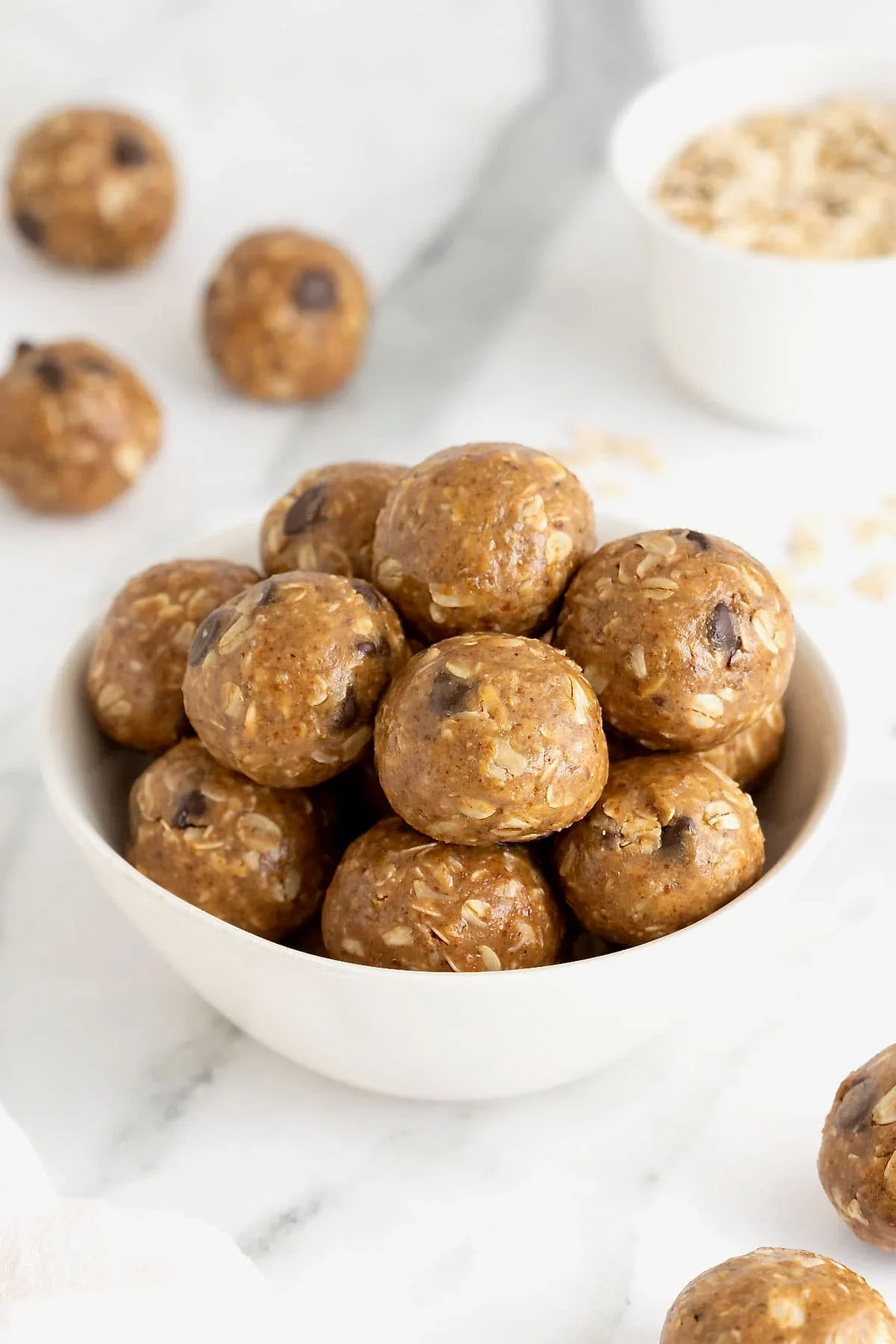
Lactation Bites
2 cups rolled oats
½ cup almond butter (or peanut butter)
¼ cup honey or maple syrup
¼ cup ground flaxseed
¼ cup chopped dates
1 tsp cinnamon
½ tsp ground ginger
Pinch of sea salt
Combine all ingredients in a bowl and roll into balls. Store in the fridge or freezer!

High Protein Pancakes
1/2 cup rolled oats* (*blend to turn into oat flour)
1/4 cup vanilla protein powder
1 tablespoon coconut flour
1 teaspoon baking powder
1 teaspoon cinnamon
1/8 teaspoon salt
1/2 small-medium ripe banana
1 large egg
1/4 cup milk
Add all dry ingredients into a bowl and mix. In a separate bowl, mash banana, then add wet ingredients and mix. Add dry ingredients to the wet and do not overmix. Let batter sit for 5 minutes, then cook on a low to medium skillet.
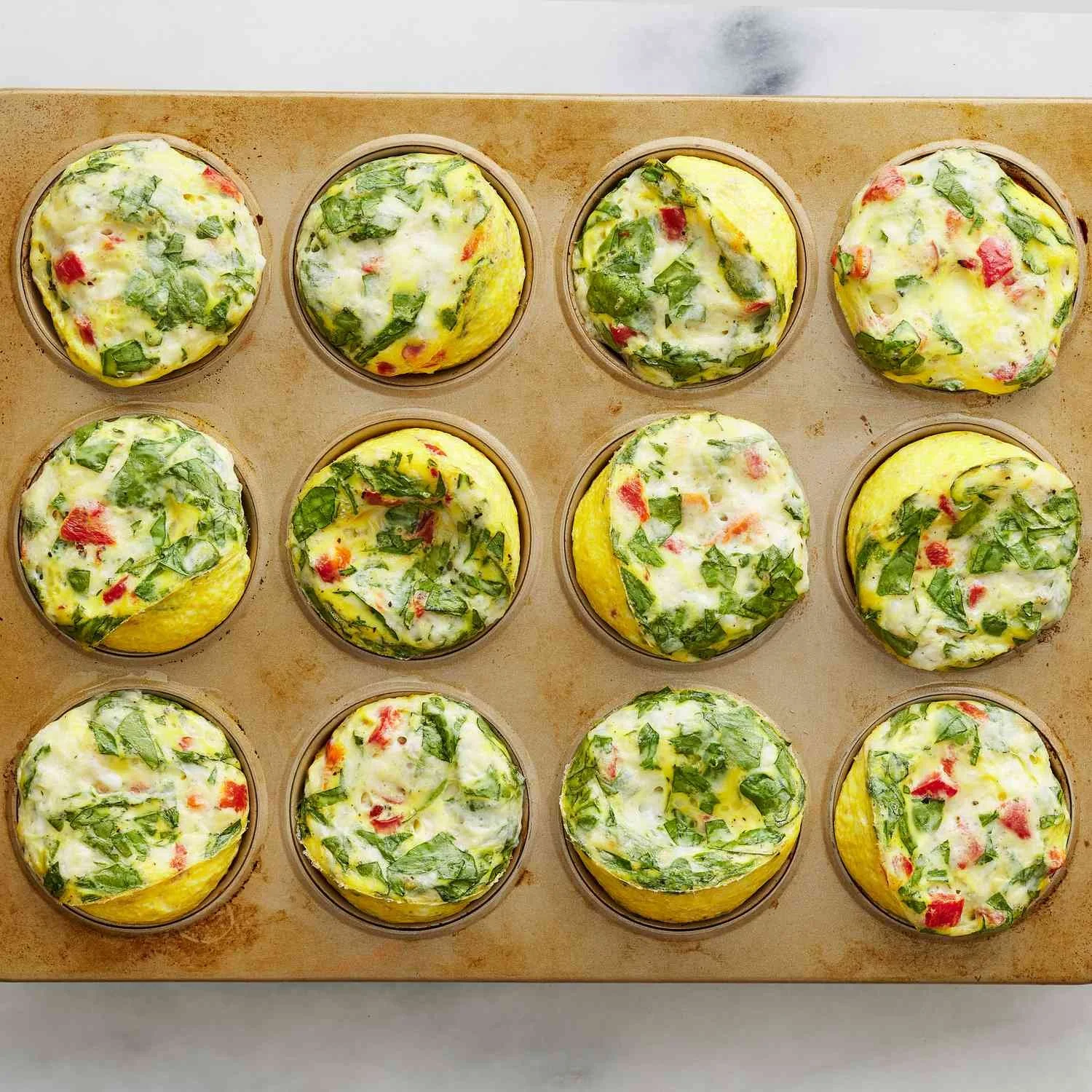
Egg Bites
8 eggs
1 cup cottage cheese
1/2 cup cheese of choice, shredded
1/2 cup bell pepper, diced
1 cup spinach, chopped
chives, chopped for sprinkling on top
Mix together eggs and cottage cheese until thoroughly combined. Add in remaining ingredients. Scoop mixture into a lined muffin tin and sprinkle with chives on top. Bake for 20-23 minutes in a 350F oven. Enjoy!
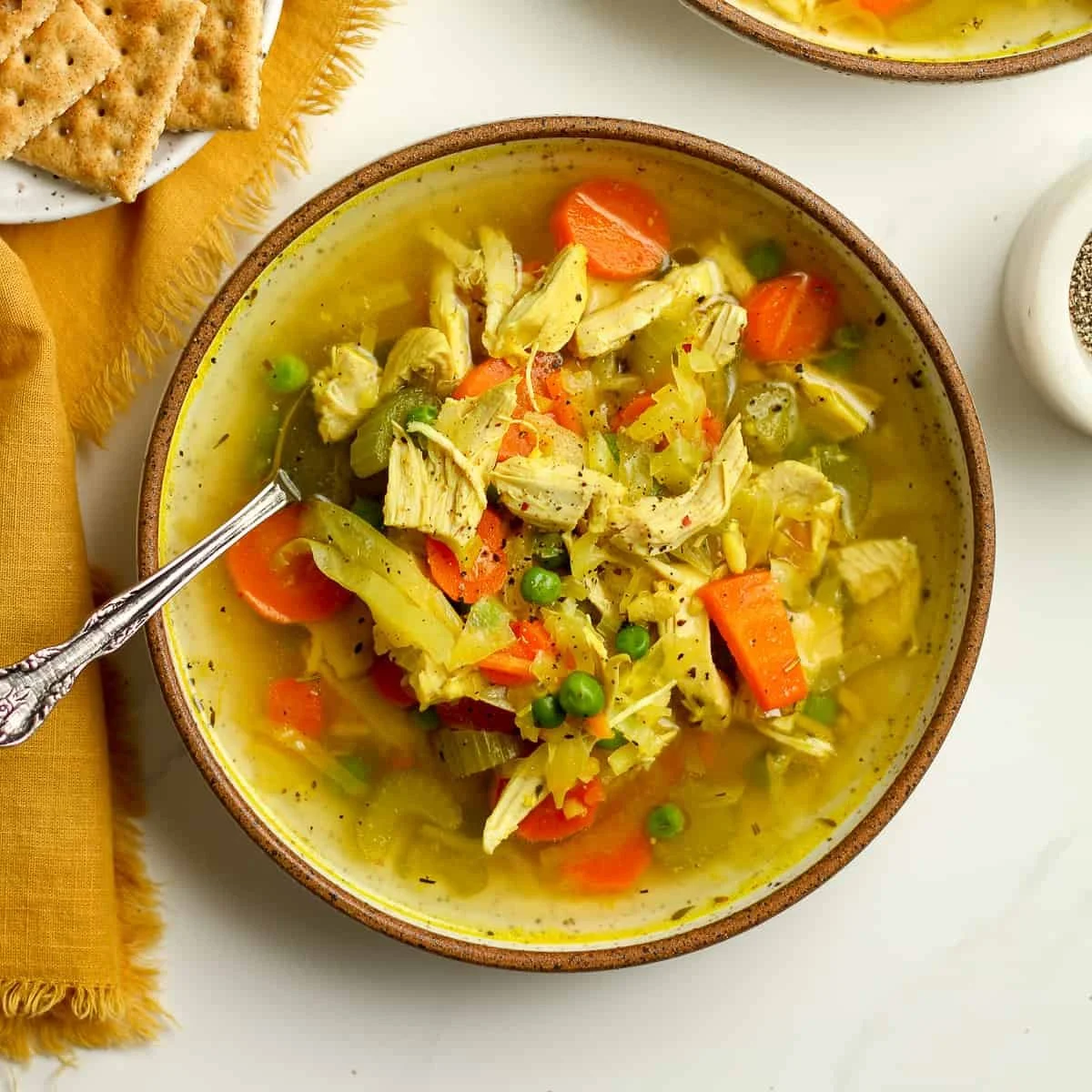
Warming Chicken Ginger Soup
6 cups chicken bone broth
1–1½ cups shredded cooked chicken
1 tbsp fresh grated ginger
2 cloves garlic, minced
1 cup sliced carrots
½ cup chopped celery
1–2 green onions (optional)
Sea salt to taste
Bring bone broth to a gentle simmer in a pot. Add ginger, garlic, carrots, and celery. Simmer 10–15 minutes. Stir in shredded chicken and cook until warmed through. Season with salt and top with green onions if desired.
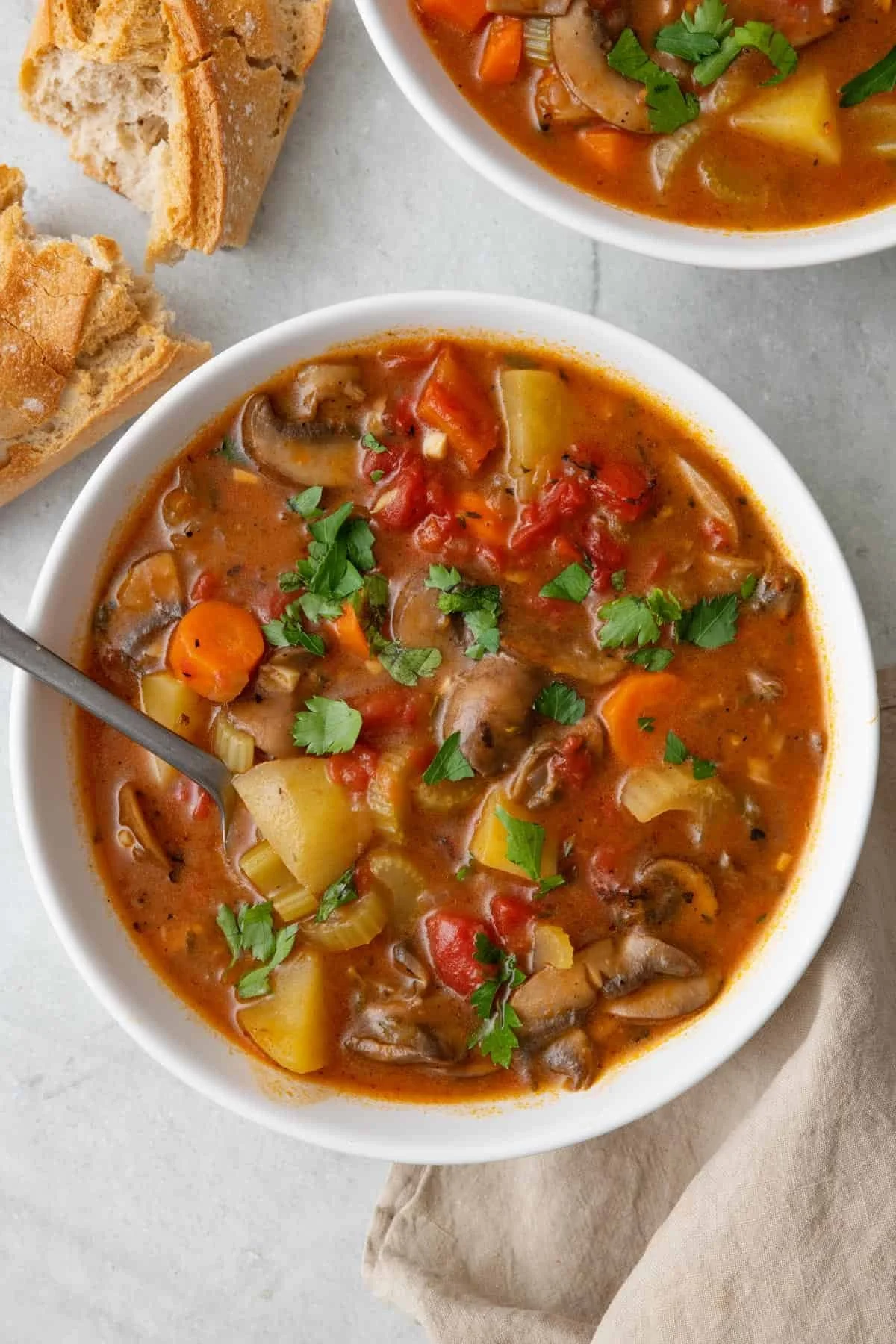
One Pot Stew
1lb ground turkey
2 golden potatoes, chopped
1 purple or regular sweet potato, chopped
3-4 cups beef bone broth
1 head of broccoli, diced
2 sticks of celery, chopped
1 cup mushrooms, diced
1/2 a medium onion, minced
2 medium carrots, diced
4 cups fresh or canned diced tomatoes
2-3 tbsp organic tomato paste
about 1 to 2 tsp each of dried oregano, chili powder, cumin, garlic powder, salt, and black pepper
In a large pot on medium heat, sauté onions, mushrooms, and carrots for 5 to 7 minutes. Add in your sausage and sauté until fully cooked. Add in potatoes, remaining veggies, and spices. Saute for another 2 to 3 minutes. Add in your broth, tomatoes, and tomato paste. Stir until well combined and bring to a medium boil. Turn heat to medium-low and simmer for around 30 minutes or until the veggies are thoroughly cooked.
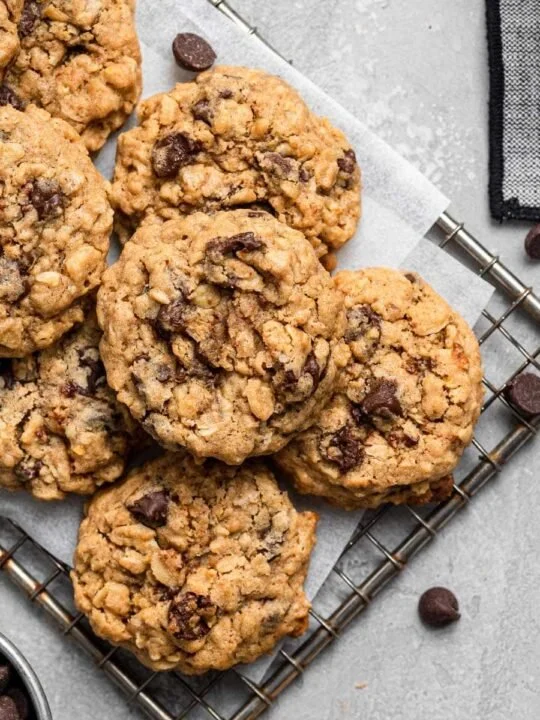
Lactation Cookies
1/4 cup coconut oil
1/4 cup softened butter
1/2 cup coconut sugar
2 eggs
1 TBSP vanilla
1 TBSP flaxseed
1/4 cup Chia seeds
1/2 cup protein powder
2 TBSP brewers yeast
1.5 cups all purpose flour
1/2 tsp baking powder & 1/2 tsp baking soda
1 tsp cinnamon
1/2 tsp salt
1 1/2 cups rolled oats
mix-ins of choice
Cream butter, melted coconut oil, and coconut sugar together in a stand mixer or large bowl with a hand mixer. Mix in vanilla and eggs until combined. In a separate bowl, whisk dry ingredients (except mix-ins), then fold into wet ingredients. Stir in mix-ins and bake at 350°F for 8 minutes or freeze dough.
For even more freezer friendly postpartum recipes, refer to the nutrition section of your Thrive app!